October 09, 2026




Few cupboards get more attention and less lasting improvement than the pantry. It is tempting to blame lack of space, but the usual culprits are simpler: buying storage before you know what you are storing, forgetting what is in the unmarked jar, and losing track of dates until something smells wrong.
None of these mistakes are expensive to fix. Most take an afternoon, a marker pen, and a willingness to part with the half-bag of flour from two winters ago.
The classic error is ordering a matching set of jars because they look good on a screen, then discovering your shelves are 28cm deep, the tallest jar is 30cm high, and nothing sits where you pictured it. Round jars in a rectangular cupboard waste more space than people expect.
Work in the opposite order:
Equally, don't decant everything. Anything you use rarely, anything still in a decent resealable bag, and anything with instructions printed on the packet is often better left as it is. Containers earn their place when they make a frequently used item easier to reach, or when they stop a bag spilling every time you open the door.
Plain flour, self-raising flour, icing sugar and cornflour all look identical in a jar. So do caster and granulated. An unlabelled jar is a small gamble with a cake, and it is entirely avoidable.
Label every container with two things: what is inside and the date it went in. A strip of masking tape and a marker pen is enough. Write it out rather than using shorthand you will forget — "red lentils", not "lentils (2)".
If you decant something with cooking instructions, don't lose them. Cut the relevant panel from the packet and tape it inside the cupboard door, or copy it into a small notebook. This matters most for rice, couscous, polenta and anything with a specific water-to-grain ratio.
One more thing worth keeping: the allergen information from the original packaging. If anyone in the house has an allergy or intolerance, decanting removes the one label you would normally check.
Pantries rarely fail because food goes off. They fail because nobody looks. The fix is a rotation habit, not an annual clear-out.
When the shopping comes in, put new items behind the old ones. Keep a "use me first" tray at the front for anything open or close to its date — the last of the rice, a bag of dried apricots, the jar of harissa you opened for one recipe. It gives those items a destination instead of a hiding place.
Write dates in a way you will actually read. "Opened 4 March" is clearer than "04/03", which one person reads as April. It also helps to know which dates matter: a use-by date is about safety and should be respected, while a best-before date is about quality — food may be perfectly fine after it, just less good. Once a packet is open, neither date is a perfect guide, so use your judgement. If it is dusty, clumped or smells musty, bin it. Anything involving mould, a leaking jar or a dented tin should go straight in the bin rather than on your plate; official guidance from the Food Standards Agency is the place to check if you are unsure.
Rather than auditing the whole pantry at once, check one shelf a month. Start at the front left, work to the back, and pull forward anything within a few weeks of its date. Small and regular beats thorough and never.
A pantry sorted alphabetically looks tidy and works badly. Sort it by use instead.
Grouping by task stops the hunting. If you bake bread on Sundays, the flour, yeast and seeds belong in one place, not separated by three shelves of tinned tomatoes.
A 40cm shelf swallows jars. Whatever goes in first is rarely seen again until it is out of date — hence the archaeology at the back of the cupboard.
What works: a turntable for oils, vinegars and sauces; shallow baskets that pull forward; a two-tier riser so tins at the back sit higher and stay visible; clear containers so you can see what is running low without lifting lids. If you are refitting, pull-out drawers will do more for a pantry than any amount of clever stacking.
A simple rule of thumb: nothing should be more than two items deep. If it is, it needs a basket, a riser, or a different home.
Even a well-organised pantry drifts. Bags get opened and left, someone puts the new jar in front, a shelf becomes a dumping ground for post.
Instead of annual heroics, do a short monthly reset. Fifteen minutes is enough:
Every few months, try to shop from the pantry for a week before buying more. It is the most honest test of whether your system works, and it usually turns up duplicates you didn't know you had.
You don't need to empty the whole pantry, buy a matching set of jars, or find a spare afternoon. Pick the shelf you use most. Take everything off it, bin what is out of date, group what is left, label anything decanted, and put the daily items where your hand naturally lands.
One shelf a week and the whole cupboard is done inside a month, with no heroic clear-out and no pile of containers you will never use. The aim isn't a pantry that photographs well. It is knowing what you have, using it before it turns, and finding the rice without shifting the cereal first.
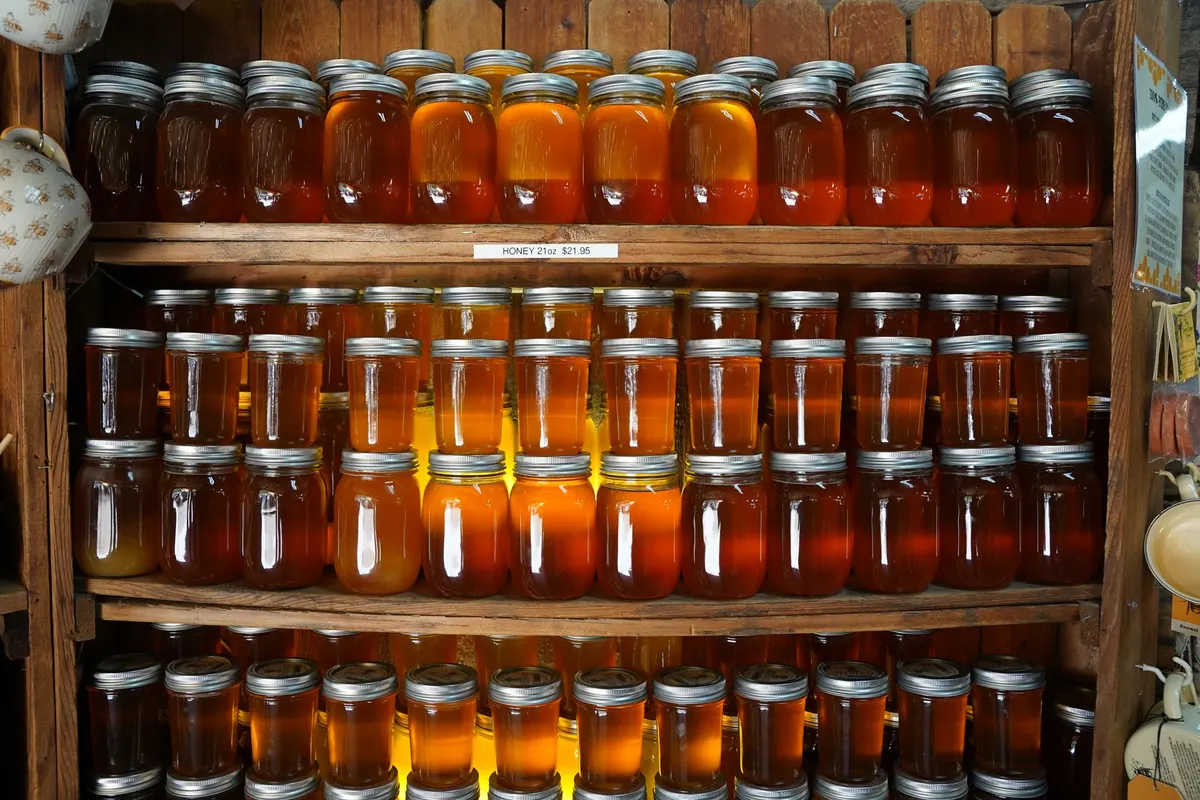
Photo: Soly Moses / Pexels

Organize your home with simple notes and reminders..
Copyright © 2026 Memo House. All rights reserved. Memo House.